










Serial No.
853

{{lr.item.text}}
Offered from The American LaFrance Corporate Collection
Offered Without Reserve
{{bidding.lot.reserveStatusFormatted}}
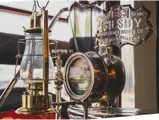
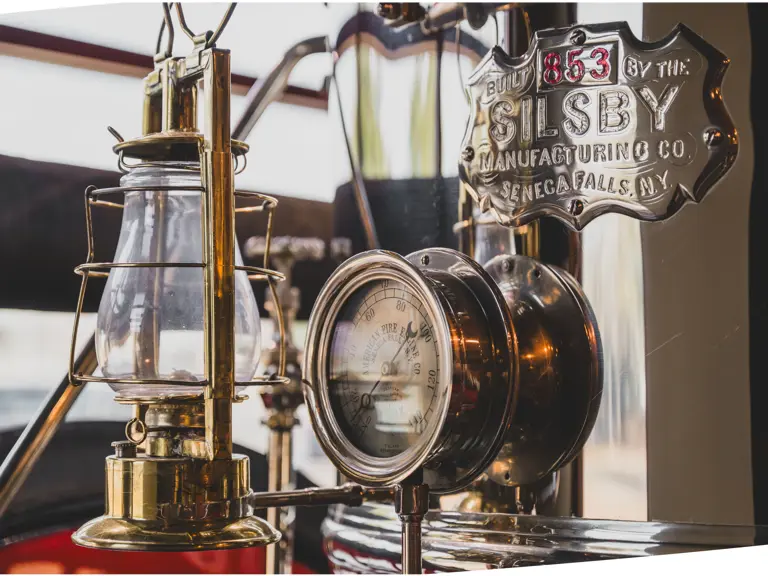
The Silsby Manufacturing Company of Seneca Falls, New York, was perhaps the most significant early manufacturer of fire apparatus in the United States, setting a standard that later firms such as American LaFrance would build upon and exceed. Silsby’s major innovation was the creation of the pumper engine, which replaced the inefficient bucket brigades of old with a steam-powered mechanical pump, delivering water through a rubber hose. The more water that was needed and the faster its delivery, the larger the pump, and thus the larger the steam boiler—and thus Silsby engines tended to be very large, indeed. They became the titanic pride of metropolitan fire departments.
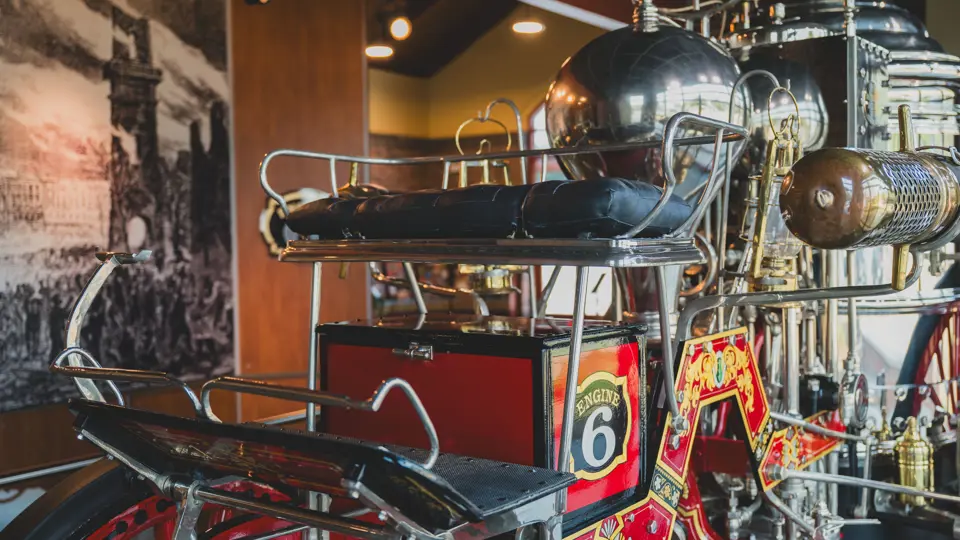
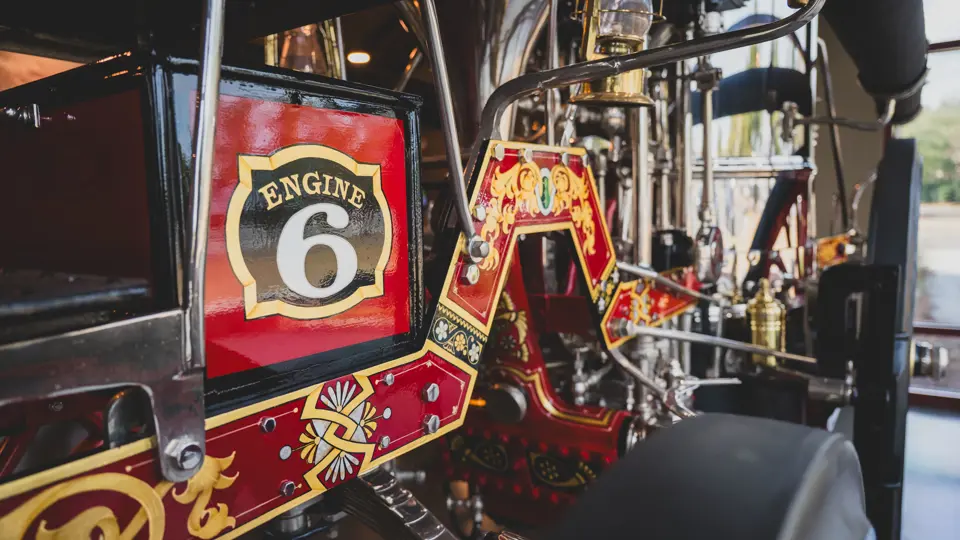
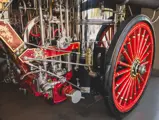
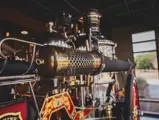
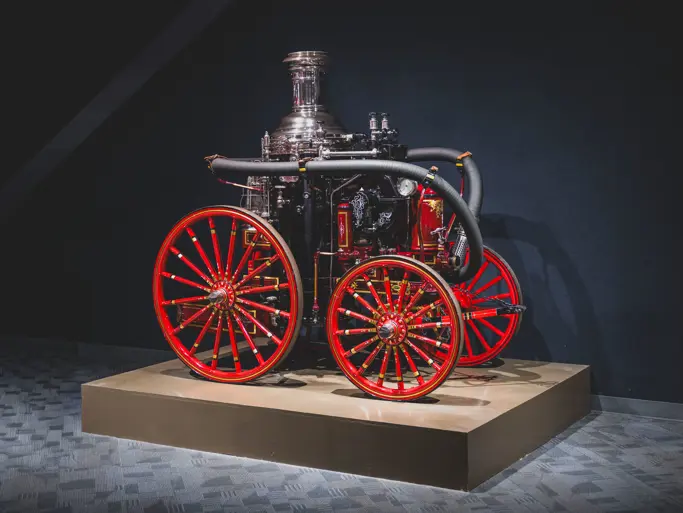
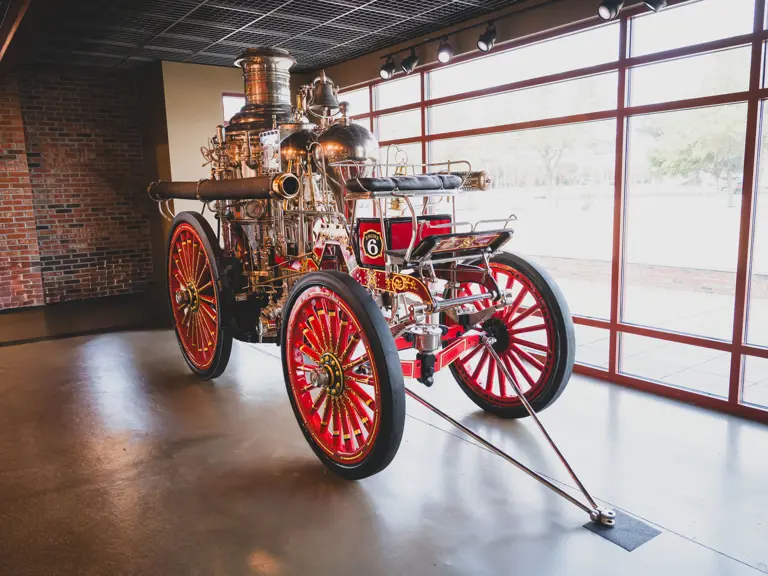
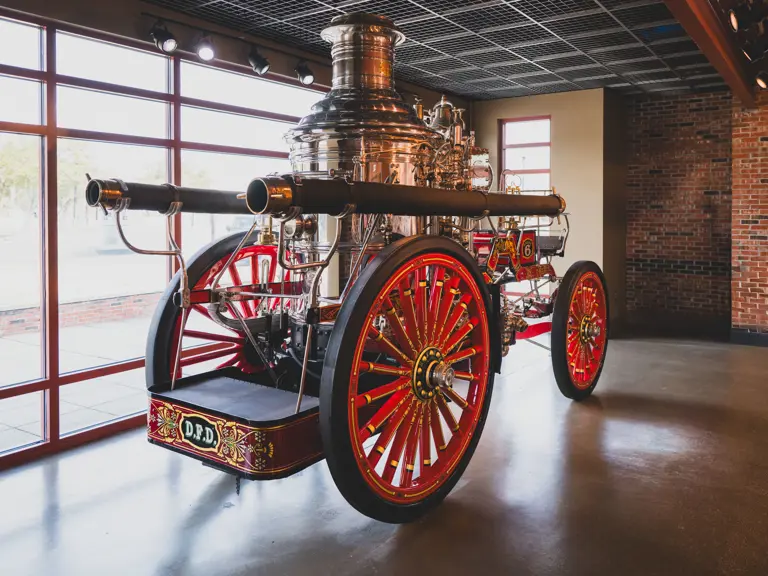
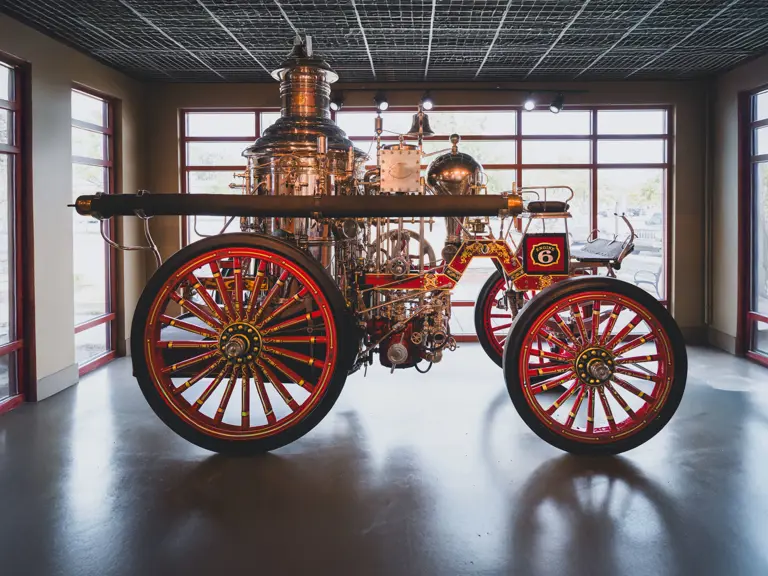
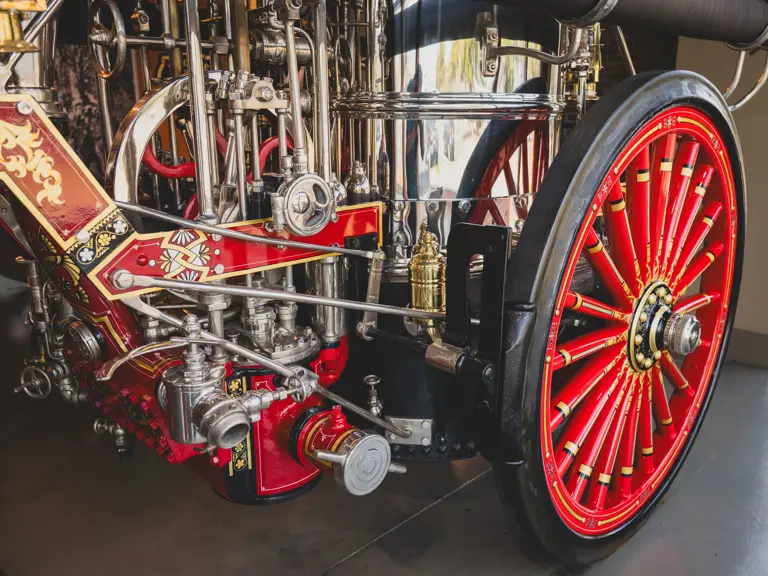
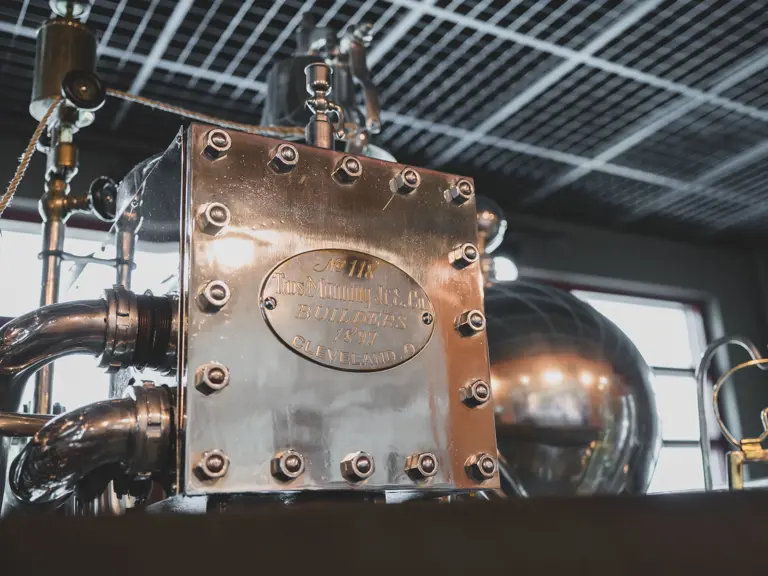
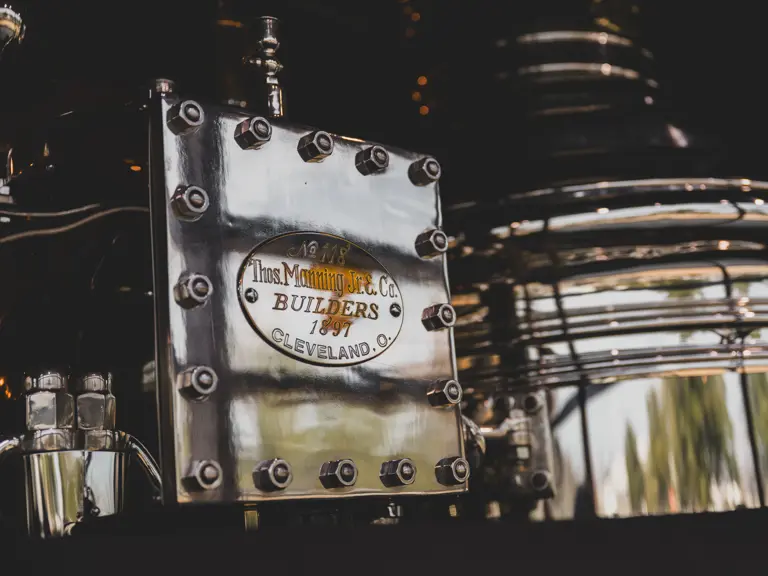
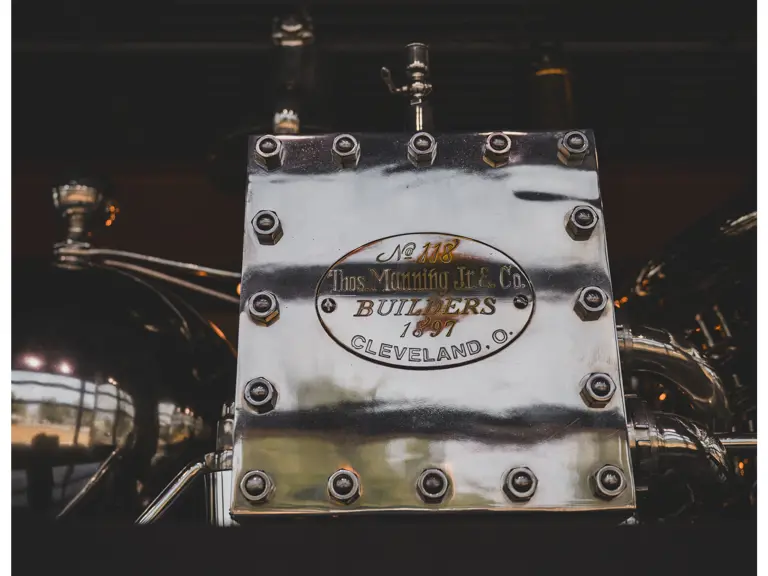
The Silsby fire engine offered here, believed to have been a one-off design, was produced in 1886 for the city of Detroit, Michigan. For obvious reasons, apparatus that were delivered to major cities were “first-size” models, large and impressive in size to suit the complex blazes they would encounter; for equally obvious reasons, they worked hard lives, and accordingly few of them survived such use. Those that have received regular updates to keep them both fully functional and modern, without the cost necessitated by ordering an entire new apparatus. The Detroit Silsby was no exception. In 1894 its boiler’s original Silsby-style superheaters were replaced by a LaFrance nest tube system. Three years later, after the original rotary pump broke down while fighting a vast fire at the H.W. Rickel & Company malt house, it was replaced by Thomas Manning Jr. & Company with a 750 gpm vertical piston unit.
In 1930 the Silsby was sold directly by the Detroit Fire Department to the Edison Institute, as the burgeoning collection of Henry Ford was then known. It remained in what became the Henry Ford Museum until 1985, then was sold at the landmark Ford Museum surplus auction to pizza magnate Tom Monaghan for his Domino’s Farms collection in Ann Arbor, Michigan. When the Domino’s collection was broken up in the mid-1990s, the Silsby was purchased by well-known enthusiast John Gambs of Indiana, then sold by him into the American LaFrance Corporate Collection later that decade.
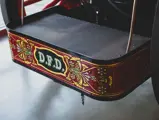
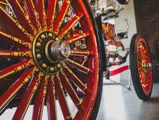
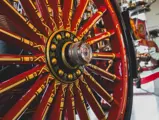
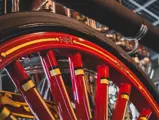
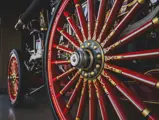
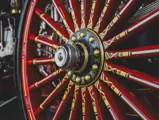
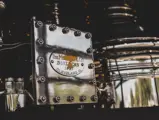
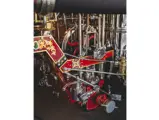
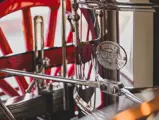
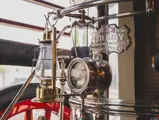
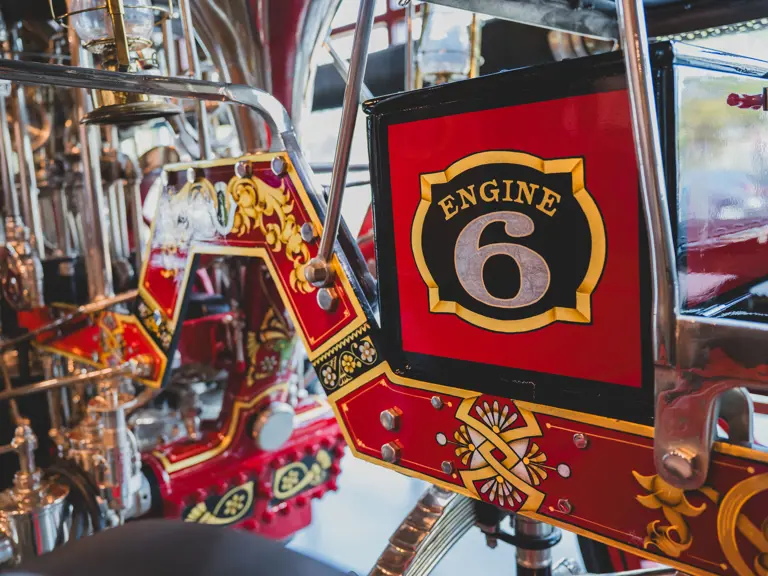
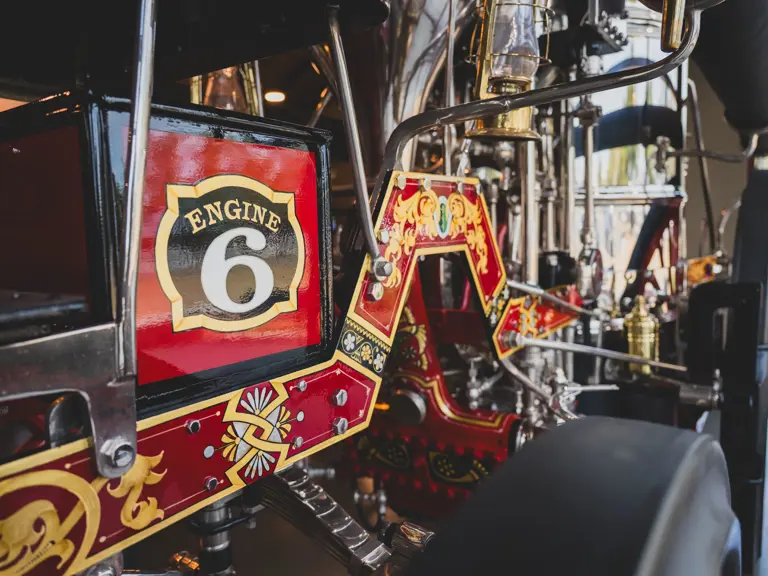
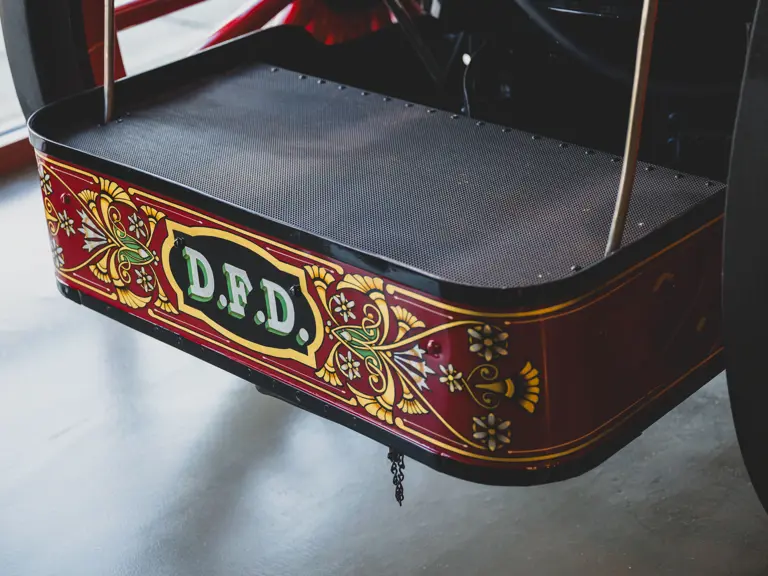
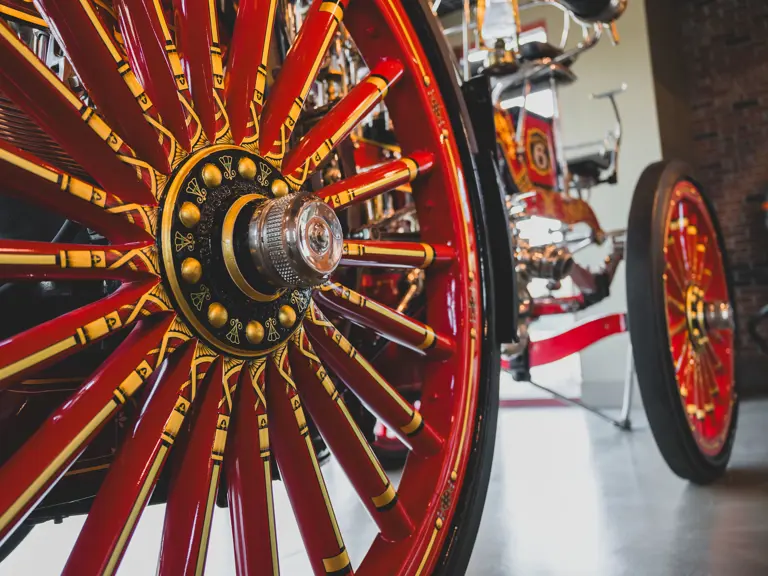
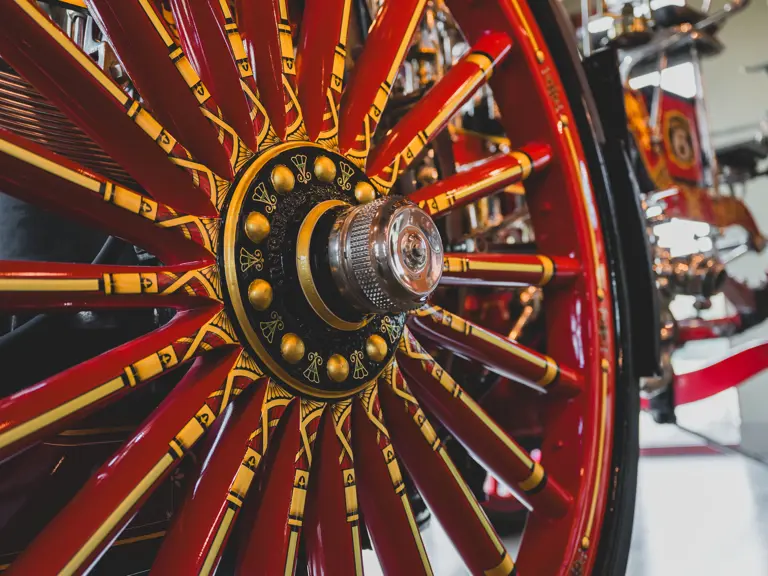
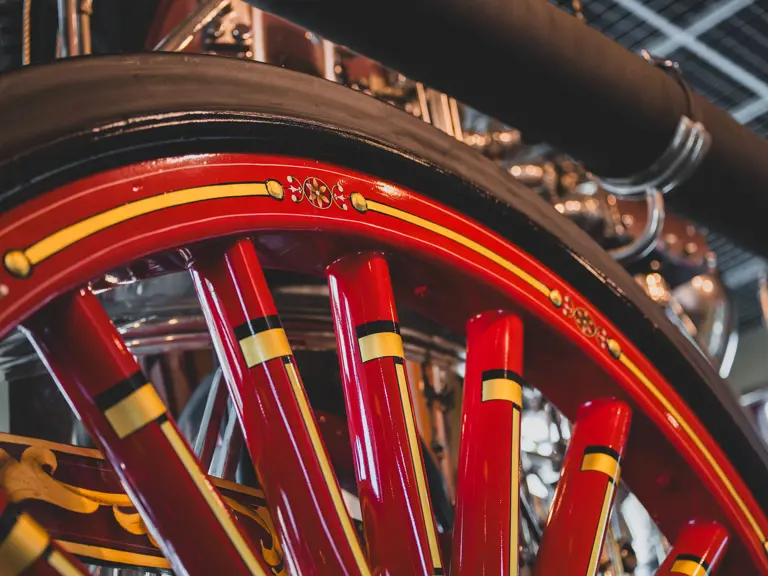
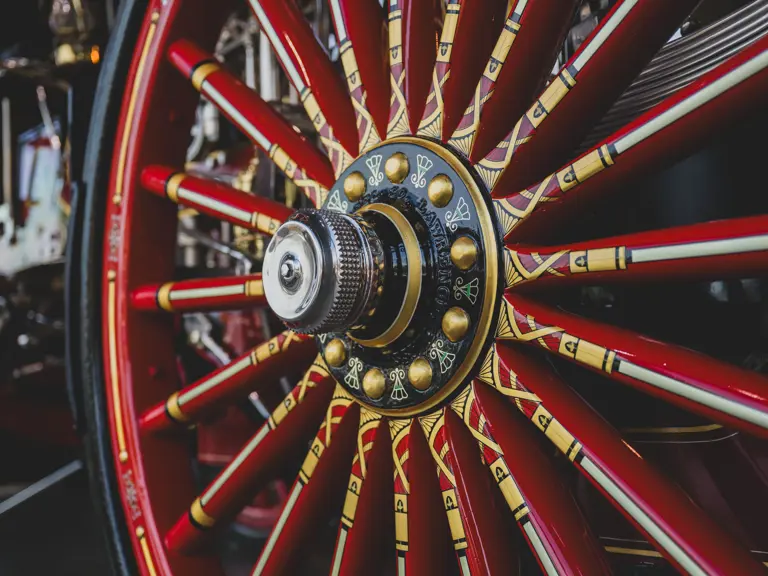
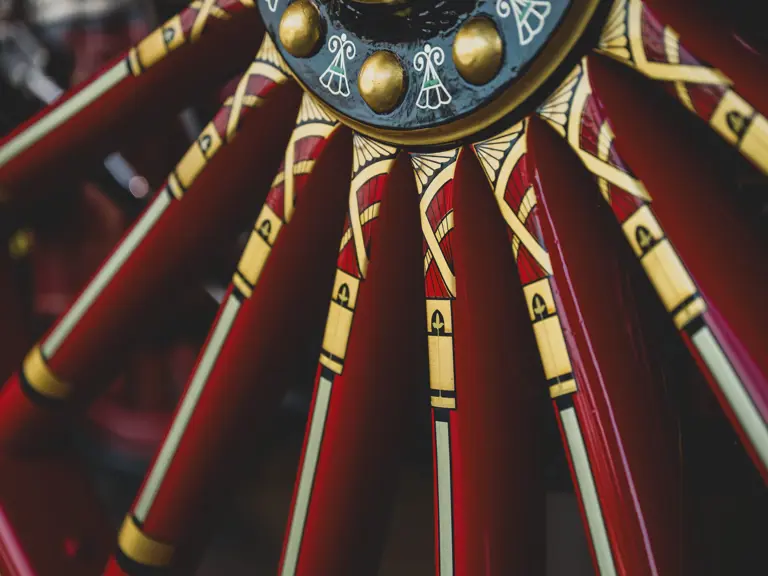
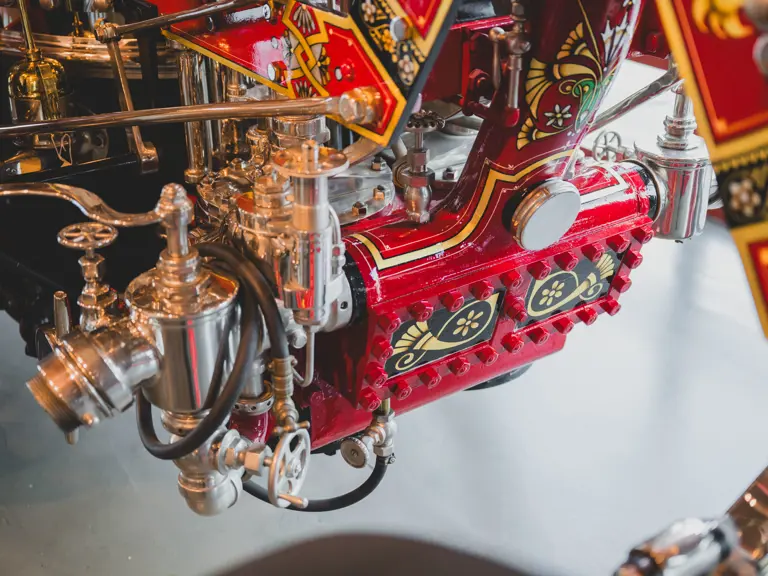
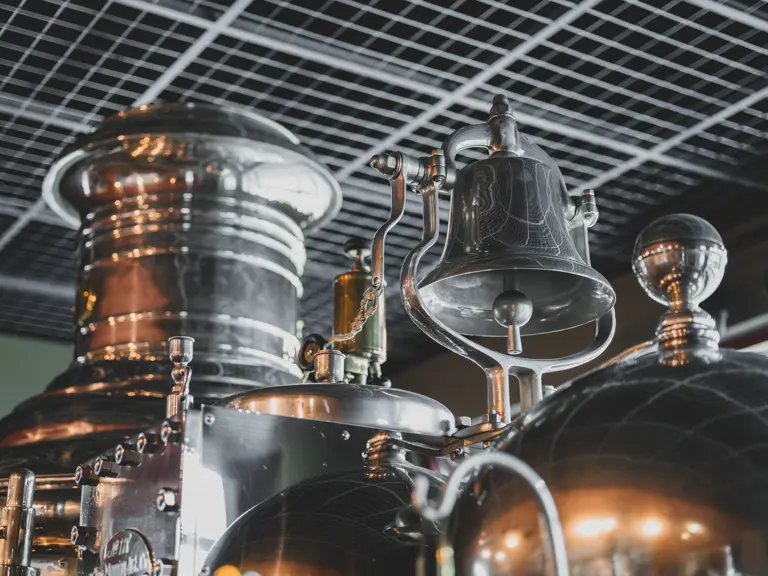
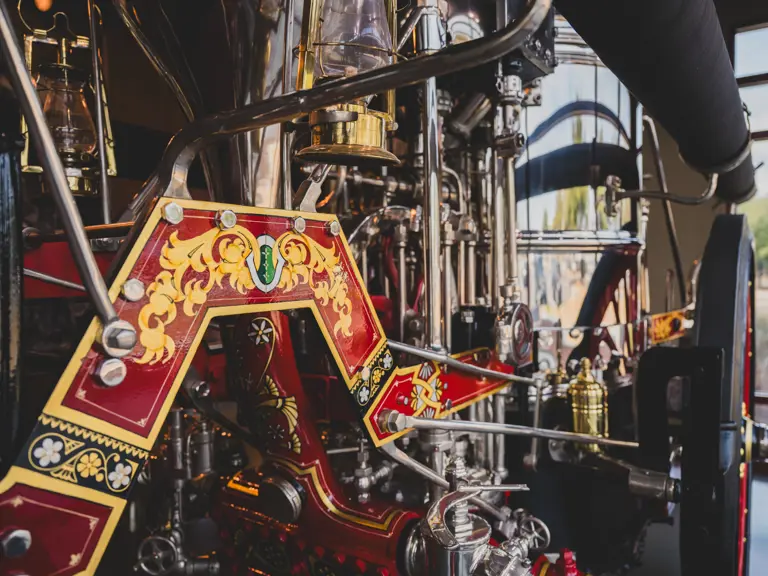
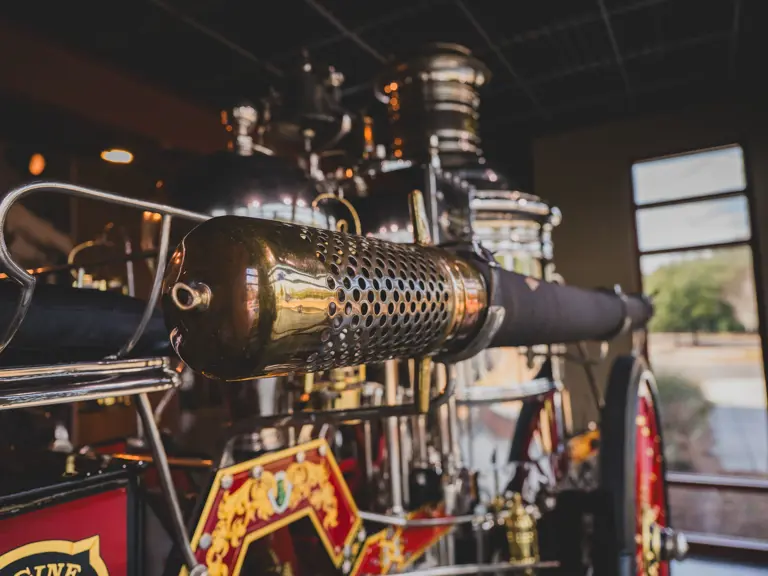
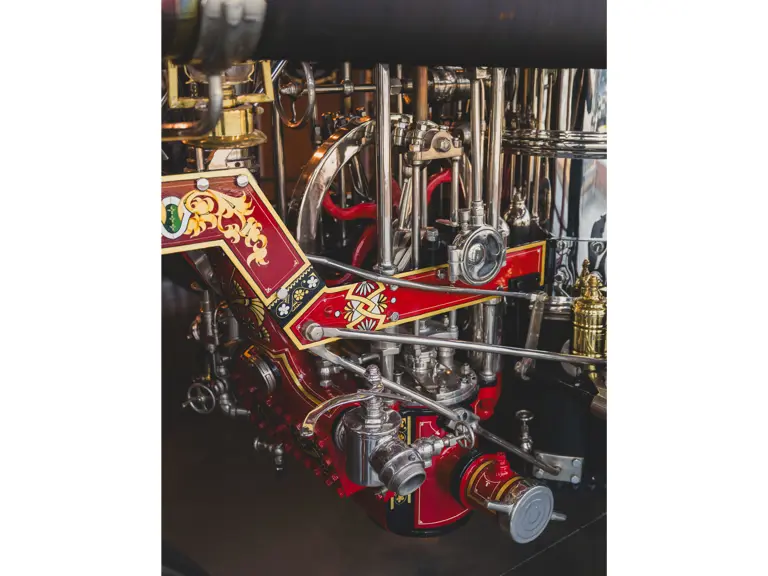
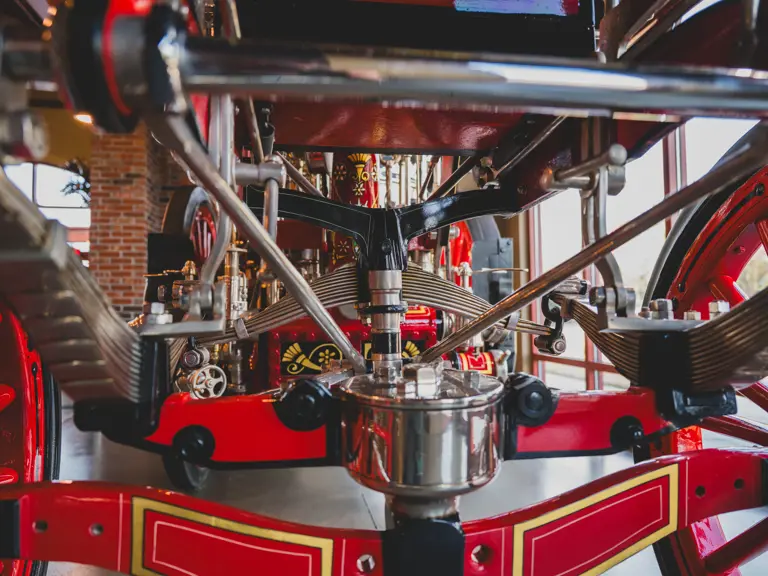
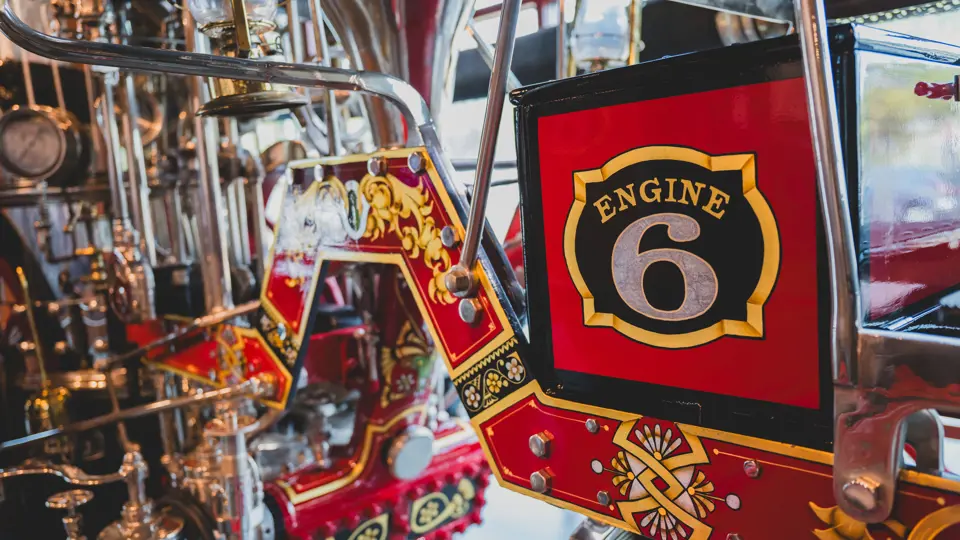
Noted fire engine expert Ken Soderbeck of Hand in Hand Restorations undertook a complete professional restoration of the Silsby for the American LaFrance Corporate Collection, finishing it in correct colors with proper 23k gold leaf decoration and scroll work, and authentic nickel plating throughout. The quality of the restoration is extremely impressive, with the decoration, in particular, being especially elaborate and attractive, and the seat restored in leather in the correct pattern. Furthermore the apparatus is unusually fully equipped with correct equipment and accessories, including the complete fire pump and pumping engine. As with many of the fire apparatus in the collection, the Silsby has not been “fired up” essentially since restoration, and a thorough evaluation is recommended in new ownership. It will be familiar to many fire engine enthusiasts from its appearance as the basis of a popular scale model by the National Motor Museum Mint.
One of the most impressively scaled surviving apparatus of the steam age, the Detroit Silsby is, in every sense, immense—in power, in history, and in character. It is an exceptional machine.


 | Miami, Florida